
Borderline Anorexic
Warning: The following contains mentions of self-harm that may be triggering to some audiences.
At age fourteen—long before my borderline personality diagnosis (BPD)—I was diagnosed with anorexia. Looking back now, I see the eating disorder as an extension of the BPD. In my early teens, my anorexia was the expression of many maladaptive coping mechanisms, all stemming from an inability to process my emotions. Do you see what I did back there? “My anorexia.” Like saying “my body”, “my boyfriend”, or “my baby.” I owned, and was even proud of, a deadly illness. As someone with BPD, navigating close relationships can be a challenge for me. My natural instinct is to lose myself, sacrificing my individual worth and relying completely on others for validation. I have been in relationships where the other person gave me that value, building me up endlessly as I exhausted their love and kindness.
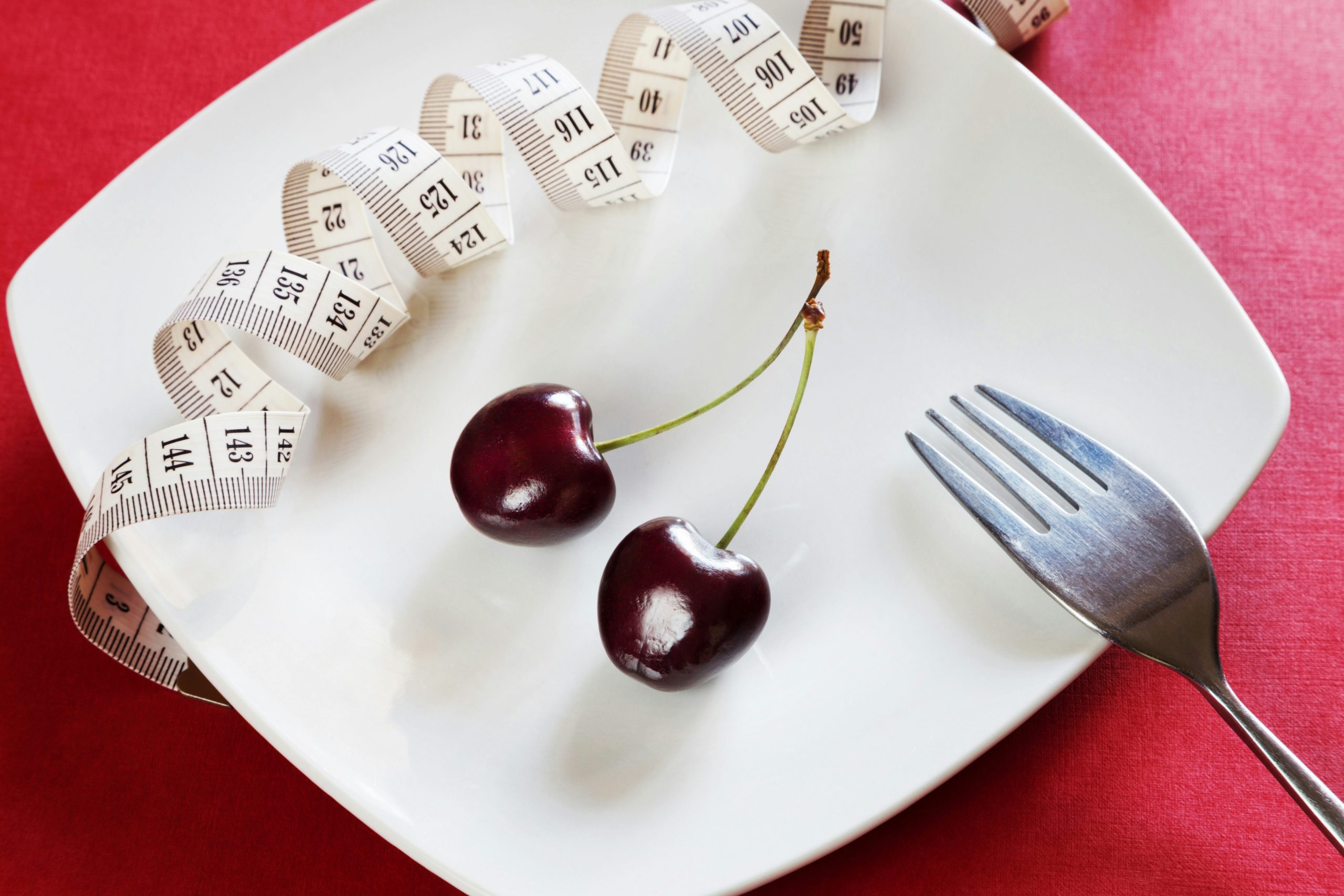
Anorexia was different. It was not kind, it was cold. It started out as a faint whisper in my head and grew into a loud and constant voice. At first, its tone was nagging: a numb, persistent whine. Soon however, it replaced gentle pleas with aggressive demands: “Count every calorie on your plate,” “Count every pound on your scale,” “Count every zero on your jeans.” And count I did. With a zealot’s devotion, I counted in my mind, on my lips, and in my heart. The voice and the counting caused physical hunger and cost my personhood, but it created mental fullness, something I had never known and had always craved. Despite the pain it caused me, I came to love that voice in my head: “Anorexia Nervosa,” “Anorexia Nervosa,” like a lovesick teenager trying her boyfriend’s last name on for size.
Our sordid love affair was cut short—to my horror—when my parents intervened, getting me the help I so desperately needed. After a diagnostic interview and series of formal assessments I was enrolled in an intensive outpatient treatment program. The results of my testing could not have been more clear, “female, 14, anorexic,” yet the diagnosis came as a shock. Even at less than 100 pounds, it came as a shock. Even with a years-long absence of menstruation, it came as a shock. Even when general caloric estimates became avoidance of cold syrup, cough drops, and chewing gum—all for fear of a number—it came as a shock. Why, you ask? Why would such a sick child be the only one blind to their malady? Because of the voice in my head, the voice that ate my anxieties and told me it could keep me safe from the world. Because it also told me that nothing I did was enough. Each demand fulfilled was immediately followed by a new one. As the disease progressed, so did the demands. But I was immune to insight and fell down the rabbit hole willingly. I chased that mental fullness while I starved my body. It was like selling my soul to the devil, all in the name of love. But again, it was never enough. Never enough to get the “guy,” never enough to take “his” name as mine. Never “anorexic,” always borderline.
It has been almost ten years since I was diagnosed with anorexia. Have those ten years been enough for me to finally get over anorexia? To get over “him?” I still hear “his” voice. Most days it’s barely there, a soft whisper. On rare days, though, it’s just as loud, just as mean, and just as brutal as the day we met. I will not pretend to be totally immune to “his” gaslighting tactics, but now I recognize them for what they are, and see “him” not as a friend, but for the illness “he” really is. It took years of work, the help of many devoted people, and experiencing other love—good love, kind love—to see beyond the eating disorder smoke screen. Now I can process my emotions in a balanced and healthy way and choose positive coping mechanisms. I work at it every day, and I will not fall back in “love” with the illness. My hope is that by sharing my experience this way, I will prevent others, especially other children, from falling too far down the rabbit hole. So, to whoever is reading this: stay strong, keep fighting, I am with you.
About the Author: Veronica is training to be an esthetician and will begin nursing school in the spring. She has lived experience of borderline personality disorder. She volunteers with the Lived Experience Committee in order to share a message of hope and to fight against the many stigmas that still surround mental illnesses. You can follow her platform and passion project on Instagram @beautifulpowerfuldeserving.