
Finding Connection in Family Connections
When a loved one is struggling with borderline personality disorder (BPD) or chronic emotion dysregulation, relationships often become the first casualty. Fear replaces confidence. Conversations turn into landmines. Families find themselves asking, “Is there a right way to do this?”—and feeling terrified they’re getting it wrong.
Family Connections™, a free, evidence-based program offered by BPD Alliance, was created for exactly that moment.
For the Du Plessis family, their journey began in crisis. After Kieki Du Plessis’ daughter was hospitalized for suicidal ideation, they were sent home with instructions to remove dangerous objects, but no roadmap for how to move beyond basic safety. They were frightened, overwhelmed, and desperate to help. Even when she entered treatment, they found little support for themselves as parents and siblings. They wanted to learn, understand and help their newly diagnosed daughter and each other.
Through late-night research, they discovered Family Connections™. Both Kieki and another daughter Megan signed up.
The program did not promise a quick fix for their daughter. Instead, it offered something both simpler and more profound: skills for the family. Validation. Mindfulness. Understanding emotional vulnerability. Tools for responding rather than reacting.
One insight became a turning point: “The more skillful I became, the better my daughter was doing,” said Kieki. That realization encouraged both Kieki and Megan to keep going.
At home, they began practicing openly. If a comment landed wrong, someone would gently say, “That’s not very validating.” They would pause, rephrase, and try again. Sometimes they used humor to soften the learning curve. Over time, what began as deliberate practice became a new way of relating. Siblings stepped into supportive roles. Parents modeled repair. The emotional temperature of the household began to change.
Family Connections™ reframes the idea of help. It does not position families as the cause of the problem, nor does it cast them as powerless bystanders. Instead, it treats relationships as powerful agents of healing. When family members learn to validate emotions, set healthy boundaries, and respond with greater awareness, conversations become safer and connection strengthens.
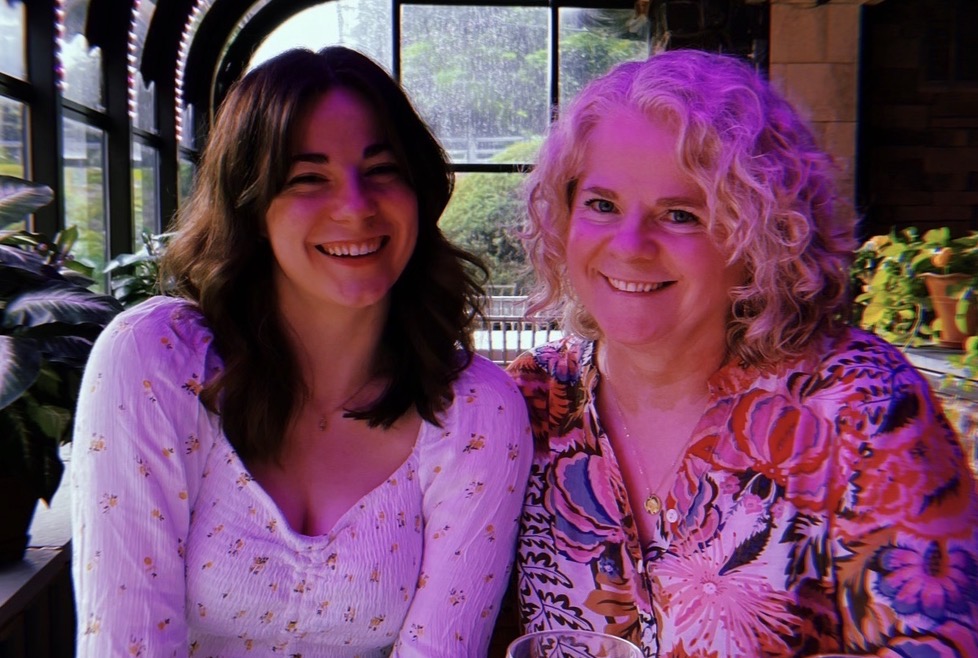
Participants often continue meeting long after the formal course ends, something Keiki said has made a world of difference in maintaining her newly learned skills. For Kieki and Megan, however, this wasn’t enough. They wanted to pay it forward, helping to provide the same opportunities for learning and healing that they had received, so they became Family Connections™ leaders.
The mother/daughter leadership duo is unique and provides a powerful perspective, giving insight from both the parent and sibling viewpoint. Their BPD loved one is aware that they teach the course, but it’s not something they spend much time talking about.
Leading Family Connections™ courses has given the Du Plessis’ the opportunity to learn the skills and material on a deeper level and provided a sense of fulfillment. “Seeing the turnaround and watching people feel hopeful again, that’s tremendously gratifying,” Megan said.